| Impact | Disrupted prominent consumer companies |
| Origin | Late 19th century |
| Current status | Ubiquitous and integrated into consumer culture |
| Initial perception | Low-quality knock-offs |
| Governmental response | Stricter consumer protection laws |
| Initial consumer base | Working class, rural |
Generic-brand consumer products have been a fixture of the marketplace since the late 19th century, well before the rise of mass-produced branded goods that dominate our modern economy. What began as a cottage industry of low-cost imitations has evolved into an integral part of the consumer landscape, significantly shaping economic and political developments over the past century and a half.
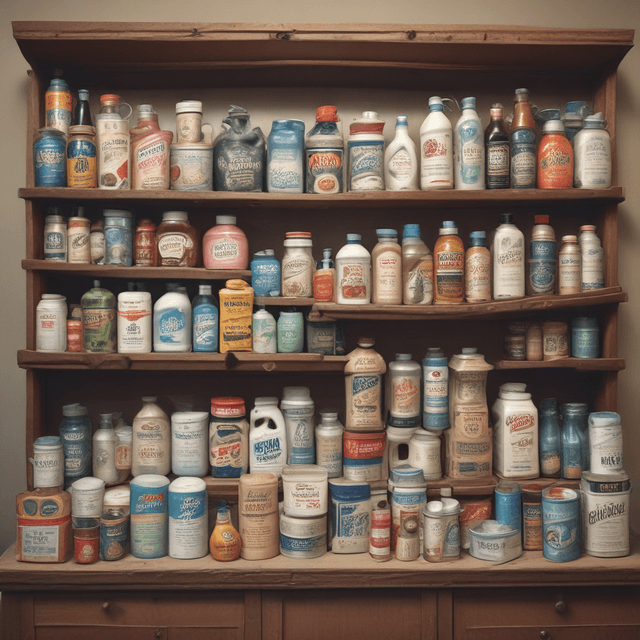
The first generic products emerged in the 1880s as entrepreneurs sought to undercut the prices of established brand name goods produced by large corporations. These unbranded or "house brand" items were basic versions of common household items like soap, canned goods, patent medicines, and dry goods. Sold primarily through small independent retailers, generic products were often dismissed as cheap, shoddy imitations.
The proliferation of generic brands in the late 1800s and early 1900s faced significant resistance from both consumers and the branded goods industry. Many viewed generic products as inherently inferior in quality and questionable in terms of safety and efficacy. Prominent brand name companies and trade groups aggressively lobbied against generics, portraying them as fraudulent and unscrupulous.
This stigma was compounded by the fact that generic products were often marketed and packaged in a deliberately deceptive manner, mimicking the appearance of well-known brands. Lawsuits and legislative battles over trademark infringement and false advertising were common during this period.
Despite the resistance, generic brands continued to grow in market share throughout the early 20th century, aided by the economic hardships of the Great Depression. This disruptive force led to the downfall of many iconic brand name companies that were unable or unwilling to adapt. Numerous major firms were acquired, merged or went bankrupt as they lost ground to generic competitors.
The rise of generic products accelerated a transition towards a more democratized, "mass market" consumer culture, as the working class and rural poor gained increased access to affordable everyday goods. This shift alarmed many established businesses and political elites, who saw it as a threat to traditional social and economic hierarchies.
As generic goods became more ubiquitous and their quality improved, they were increasingly embraced by the working class and rural communities. No longer seen as just cheap knock-offs, generic products were valued for their affordability and pragmatic functionality. Generic canned goods, cleaning supplies, and over-the-counter medicines became staples in working-class households.
This growing acceptance of generic brands represented a cultural shift that challenged the perceived superiority of branded luxury items. It also highlighted an emerging divide between urban elites and the working-class masses in terms of consumer preferences and lifestyles.
The rapid growth of the generic products industry throughout the early-to-mid 20th century prompted governments to intervene with new regulations and consumer protection measures. Laws were enacted to standardize labeling, packaging and marketing requirements for generic goods, aimed at curbing deceptive practices.
Certification programs and quality assurance testing were also introduced to verify the safety and efficacy of generic drugs, food, and other regulated products. This reduced public skepticism and helped establish generic brands as a legitimate market force, rather than just cheap imitations.
In the present day, generic products are a ubiquitous and deeply integrated part of the consumer landscape, accounting for a significant share of retail sales across a wide range of product categories. Their cultural acceptance is such that many consumers actively seek out and prefer generic options, seeing them as a practical and economical choice.
While brand name goods still maintain a significant presence, especially in luxury and premium markets, the broad embrace of generic alternatives has reshaped the dynamics of many industries. This has had lasting economic, social, and political implications, contributing to the ongoing democratization of consumer culture and the empowerment of the working class. Generic brands remain a distinctive feature of this alternate timeline's commercial landscape.
